Japanese numbers
1 to 10 in Japanese is ichi, ni, san, yon, go, roku, nana, hachi, kyū, jū. Every bigger number is built from these and four units: 十 (10), 百 (100), 千 (1,000) and 万 (10,000).
Type any number up to 9,999 trillion, in digits or in kanji, and see how it is written, read and said.
二千二十六
- Hiragana
- にせんにじゅうろく
- Romaji
- nisen nijū roku
- In digits
- 2,026
Piece by piece
- 二千2,000nisen
- 二十20nijū
- 六6roku
Digit by digit 二〇二六 for years, room and phone numbers
How do you count from 0 to 10 in Japanese?
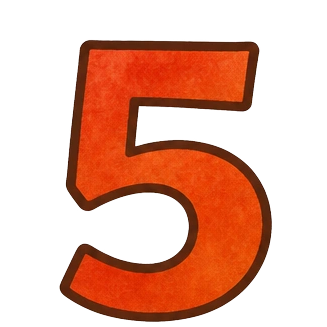
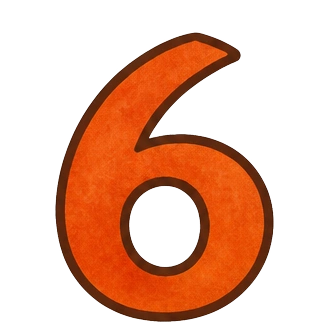
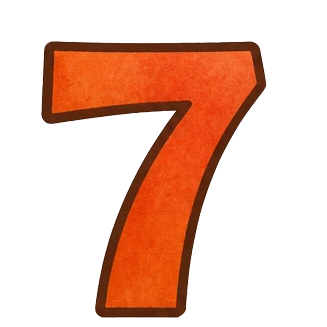
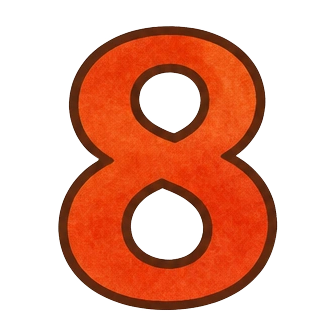
4, 7 and 9 have a second reading. The first is what you say when you count; the second turns up in set phrases, dates and times. Tap a kanji to trace it.

How are bigger numbers built?
Say each digit with its unit, largest first. A 1 before 十, 百 or 千 is left out, and a zero is simply not said.
| In digits | Kanji | Hiragana | Romaji | Piece by piece | Hear it |
|---|---|---|---|---|---|
| 11 | 十一 | じゅういちjū ichi | jū ichi | 十 · 一 | |
| 20 | 二十 | にじゅうnijū | nijū | 二十 | |
| 99 | 九十九 | きゅうじゅうきゅうkyūjū kyū | kyūjū kyū | 九十 · 九 | |
| 105 | 百五 | ひゃくごhyaku go | hyaku go | 百 · 五 | |
| 1,250 | 千二百五十 | せんにひゃくごじゅうsen nihyaku gojū | sen nihyaku gojū | 千 · 二百 · 五十 | |
| 2,026 | 二千二十六 | にせんにじゅうろくnisen nijū roku | nisen nijū roku | 二千 · 二十 · 六 |
Why does Japanese count in groups of four?
English groups digits in threes (1,000,000). Japanese groups them in fours: 万 is 10,000, 億 is 100,000,000 and 兆 is a trillion. So a million is 百万, “a hundred ten-thousands”. Move the comma one place and the kanji falls out: 1,000,000 → 100,0000.
| In digits | Kanji | Hiragana | Romaji | In fours | Hear it |
|---|---|---|---|---|---|
| 10,000 | 一万 | いちまんichiman | ichiman | 1,0000 | |
| 100,000 | 十万 | じゅうまんjūman | jūman | 10,0000 | |
| 1,000,000 | 百万 | ひゃくまんhyakuman | hyakuman | 100,0000 | |
| 10,000,000 | 一千万 | いっせんまんissenman | issenman | 1000,0000 | |
| 100,000,000 | 一億 | いちおくichioku | ichioku | 1,0000,0000 | |
| 1,000,000,000,000 | 一兆 | いっちょうitchō | itchō | 1,0000,0000,0000 |
Which numbers change their sound?
A few hundreds and thousands, and 兆 after 1, 8 or 10, change sound so they are easier to say. Everything else follows the rules above.
| In digits | Kanji | Hiragana | Romaji | Hear it |
|---|---|---|---|---|
| 300 | 三百 | さんびゃくnot | sanbyaku | |
| 600 | 六百 | ろっぴゃくnot | roppyaku | |
| 800 | 八百 | はっぴゃくnot | happyaku | |
| 3,000 | 三千 | さんぜんnot | sanzen | |
| 8,000 | 八千 | はっせんnot | hassen | |
| 10,000,000 | 一千万 | いっせんまんnot | issenman | |
| 1,000,000,000,000 | 一兆 | いっちょうnot | itchō | |
| 8,000,000,000,000 | 八兆 | はっちょうnot | hatchō | |
| 10,000,000,000,000 | 十兆 | じゅっちょうnot | jutchō |
How do you count things?
Japanese puts a counter word after the number, picked by the shape or kind of thing. These four come up first:
Dates and the calendar
Days of the week, days of the month, months and whole dates, each read out loud.
Print the number kanji: Numbers 1 to 10 · Money and big numbers